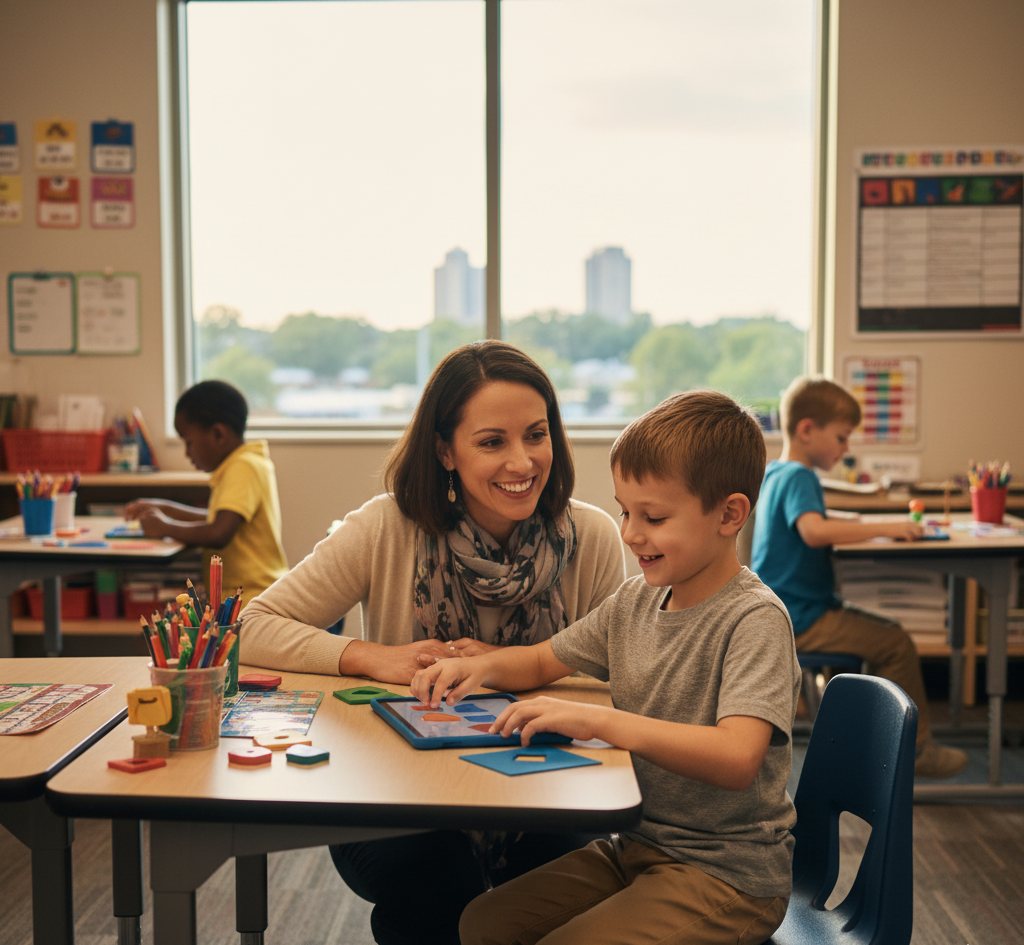
I’ve spent years helping families find the right path when a child struggles in school, so I want to start with a clear resource: Sage School Lawrenceville GA. If you’re comparing options in the area, an important national resource I turn to for local education data is the U.S. Census Bureau homepage at census.gov, which can help you understand school-age populations and community needs where you live. Read on for a friendly, practical guide to what to look for in a special education school in Lawrenceville, how to spot evidence-based practices, and how to make the transition smoother for your child and family.
Why specialized schools matter in Lawrenceville
Families in Lawrenceville and nearby neighborhoods know the public schools work great for many kids, but some students need more targeted instruction. Special education schools focus on learning differences like dyslexia, language-based learning challenges, and attention differences. In my experience, the difference comes down to three things: individualized instruction, small class sizes, and teachers trained in proven methods. Those elements cut through frustration and help kids actually make steady progress.
Core elements of an effective program
When I visit programs that really help students, I look for consistent features that lead to results. An effective special education program in this area should include clear assessment, customized goals, and regular progress tracking. Schools that blend academic supports with social-emotional learning give students tools to manage frustration and build confidence — and that confidence drives learning.
Instructional approach that works
Look for multisensory, structured literacy approaches that are explicit and systematic. These methods break reading and writing into teachable steps and use visual, auditory, and kinesthetic cues so students form strong connections between sounds and letters. A school that uses this approach typically includes regular small-group instruction, one-on-one tutoring, and scaffolded classroom tasks.
Support beyond academics
Academic progress matters, but so does a student’s sense of belonging. Strong programs offer social skills groups, executive function coaching, and counseling services. They also work with families to build routines and strategies at home. I’ve seen kids make bigger academic gains when their families and teachers are aligned on consistent supports.
What families in Lawrenceville should ask during a tour
When you visit a potential school in the city, bring questions that reveal how the program operates day-to-day. I recommend asking how the school measures growth, how teams create individualized learning plans, and how transitions back to neighborhood schools are handled if that’s a goal. Pay attention to how staff describe assessment results: the best programs use data to guide teaching, not just to label a child.
- How do teachers personalize lessons for different learners?
- What kind of screening or ongoing assessments are used?
- How are families involved in progress planning and reporting?
- How does the school support social-emotional skills and peer relationships?
Practical steps families can take right now
If your child is struggling and you’re exploring options in Gwinnett County, here are manageable next steps I always suggest. These are simple but powerful; they help you gather information and make clear decisions without getting overwhelmed.
- Request a full evaluation that includes reading, language, and executive function measures. This gives a starting point for targeted supports.
- Ask for a sample daily schedule and lesson plan so you can see how instruction is structured and how often students get small-group or individualized support.
- Talk to other families about real outcomes: what gains did they see and how long did it take?
Trending topics shaping special education in 2025
Two trends I’m seeing across special education programs are the wider adoption of evidence-based structured literacy and the growing role of assistive technology. Structured literacy emphasizes phonology, decoding, and fluency, while assistive tech — like text-to-speech, speech-to-text, and reading supports — helps students access grade-level content even as they build skills. Both are especially useful in smaller programs where teachers can integrate tools into daily instruction.
Another trend is increased attention to measuring growth in specific skill areas rather than only relying on grade-level tests. This shift helps families see meaningful progress in reading comprehension or writing mechanics even if standardized scores haven’t yet caught up.
How a local school typically solves common pain points
Families I work with often report these pain points: repeated frustration at homework time, slow reading development despite extra practice, and anxiety about class participation. A well-run special education program addresses each of these with focused strategies. For example, breaking assignments into smaller, achievable tasks reduces overwhelm and builds momentum; targeted decoding work improves reading accuracy; and classroom accommodations (like extra processing time or alternate ways to show knowledge) reduce anxiety and allow students to demonstrate learning.
Example action plan schools use
Here’s a simple action plan many programs follow to help a new student make steady gains:
- Comprehensive assessment during intake to identify strengths and needs.
- Individualized learning goals created with family input and measurable benchmarks.
- Daily instruction that includes multisensory reading, explicit vocabulary work, and writing practice tied to topics the student cares about.
- Regular progress reviews and home strategies shared with families.
Local considerations: where the city’s needs meet school services
Lawrenceville families benefit from programs that connect to community supports across Gwinnett County. Transportation, after-school routines, and coordination with pediatric therapists can all influence whether a placement is sustainable. When a school partners with local therapists and community groups, that reduces scheduling strain for families and creates a smoother support network for students.
Signs an approach is working
Progress can look different for every child. In the early months, you might expect improved engagement, fewer meltdowns during homework, and more willingness to try reading tasks. Over time, look for measured gains in decoding accuracy, reading fluency, and written expression. Equally important: notice whether your child’s confidence and ability to manage tasks independently are improving. Those social-emotional shifts often predict long-term academic success.
What to track at home
Keep a simple progress notebook with weekly notes about reading time, writing tasks completed, and emotional reactions to schoolwork. Share that notebook with teachers so you both see the same trends. This low-tech habit creates a consistent view of progress and helps everyone adjust strategies quickly.
Real-world tips for a smooth transition
Transitions can be stressful for kids and families. Here are friendly, practical tips I recommend for a new placement or a return to district schools:
- Set a predictable homework routine with short, focused sessions and built-in breaks.
- Use a shared communication log between home and school to note wins and concerns each week.
- Practice specific skills in short bursts—five to ten minutes of targeted work beats long, unfocused sessions.
- Celebrate small wins to build momentum and reduce pressure.
How families can evaluate long-term fit
A great match is more than test scores. Over the first year, look for consistent communication, evidence that teaching methods are adjusted based on data, and a sense that your child is being seen and supported as a whole person. If staff include families in goal-setting and provide practical strategies to use at home, that’s a strong indicator the program will be sustainable and effective.
A quick checklist before you decide
Use this short checklist during your final comparisons. It’s concise, so you can use it the day of a visit or during follow-up conversations with admissions staff.
- Clear assessment plan and measurable goals
- Evidence-based literacy approach and small-group instruction
- Social-emotional supports and family communication systems
- Practical transition planning and community partnerships
If you’re navigating options in Lawrenceville and want a program that pairs structured, multisensory instruction with social-emotional supports and strong family partnerships, you deserve a place that fits your child’s needs and your family’s daily life. For families who want an initial look at approach and philosophy, visit the school homepage to learn more and schedule a conversation: The Sage School.