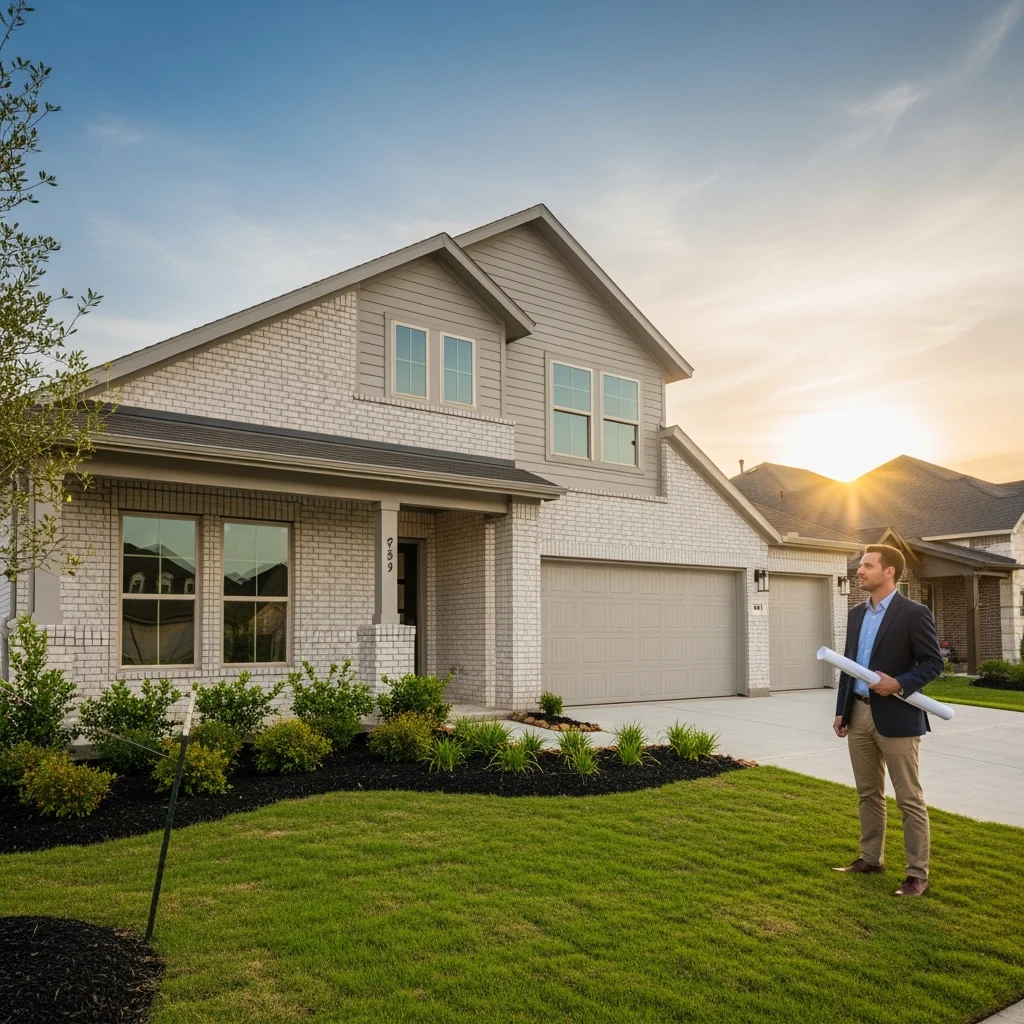
When you start looking for a new community in this area, it’s easy to get overwhelmed—model homes, floor plans, and sales offices all blur together. I spent time researching options and found that Empire Homes Trace San Marcos is being talked about a lot by buyers who want modern layouts near parks and quick commutes. For reliable regional context, the U.S. Census Bureau shows San Marcos and Hays County among Texas’ fast-growing areas, which helps explain why new communities are popping up along I-35.
Why buyers are choosing new-home communities near San Marcos
San Marcos sits in a sweet spot between Austin and San Antonio. That means you can get the job opportunities and culture of either metro with more house for your money here. In the last few years, I’ve seen three clear reasons people move to new developments around the city: affordability compared with Austin, short commutes along I-35, and access to local amenities like parks, shopping, and Texas State University. New-home communities are built to capture those benefits while giving buyers modern features and lower maintenance than older homes.
What Trace offers to modern buyers
Trace brings together practical floor plans and features buyers ask for most. The community emphasizes energy-efficient designs, open living spaces, and multi-use rooms that work well for remote work or study. If you prioritize smart home wiring, flexible living areas, and a backyard that’s easy to care for, communities like this are set up to deliver. I also noticed that homes in this type of neighborhood tend to include thoughtful storage and kitchen layouts—the little things that make day-to-day life easier.
Location and local access
The community is conveniently placed for anyone who works in Austin or San Antonio but prefers a calmer neighborhood. You’ll find short drives to downtown San Marcos attractions, access to I-35 for regional travel, and proximity to the university, which brings cultural events and local dining options year-round. That mix is especially useful for families and young professionals who want both quiet and convenience.
Trends shaping new-home buying in 2025
Two trends are reshaping what buyers expect from new construction: sustainability and flexible living. More homeowners want energy-efficient systems that cut utility bills and use sustainable materials. Builders are also including dedicated home offices, soundproofing options, and outdoor living spaces to match changing lifestyles. I recommend looking for HVAC upgrades, efficient windows, and insulation packages when touring a model home.
Smart questions to ask at the sales office
When you visit a model home or the community sales center, being prepared helps you separate real value from clever staging. Ask targeted questions about warranties, upgrade costs, and the timeline from contract to closing. Here are four essential questions I always encourage buyers to ask:
- What is included in the base price, and what counts as an upgrade?
- How long is the builder warranty, and what does it cover?
- What energy-efficiency features are standard versus optional?
- Are there options for adding smart-home systems or EV charger prewiring?
How to compare floor plans and pick the best layout for your life
Choosing a plan is more than square footage. Think about how you use each room today and how that might change in five years. If you entertain often, an open kitchen and dining area will feel natural. If you work from home, prioritize a quiet office on the opposite side of the house from the living area. Consider future-proofing: look for second-floor bedrooms that could be converted into rental space or an in-law suite if your needs change.
Minor upgrades that deliver the biggest value
I’ve reviewed many builds and found a few upgrades that consistently provide long-term value without breaking the bank. Choose thicker insulation or a higher-efficiency HVAC unit if available, because they reduce living costs quietly over time. Opt for durable flooring in high-traffic areas and add full gutters to protect landscaping and foundation investment. These choices improve comfort and resale appeal.
Financing a new build in this market
Financing a new home has some twists compared with resales. Builders often work with preferred lenders who can streamline approvals and offer special incentives, but it’s wise to shop around. Understand the timeline for rate locks and ask how construction schedules affect closing dates. If you’re trading a current home, ask about contingencies and temporary housing solutions if construction finishes before your sale closes.
Practical steps to make your move smoother
From negotiating upgrades to scheduling your move, a few practical steps make the process less stressful. Plan early for inspections, walk-throughs, and the builder’s orientation. Keep a running list of questions as you go; it’s easier to ask them during scheduled check-ins than to scramble at the end. Below are four quick actions to take as soon as you decide to buy a new home.
- Secure pre-approval and clarify when you’ll lock the rate.
- Request a written list of included features and warranties.
- Schedule periodic site visits during construction to spot issues early.
- Set aside a small budget for post-closing adjustments and landscaping.
How new communities handle maintenance and lifestyle
Many new developments feature homeowner associations that manage common areas, landscaping, and amenities. That means less yard work for you and consistent community upkeep. Before buying, review HOA rules and fees to ensure they match your lifestyle expectations. Look for communities where common-area maintenance is transparent and where there’s a clear process for improvement requests from residents.
Local amenities to enjoy in San Marcos
One of the perks of living near San Marcos is access to outdoor recreation and community events. The San Marcos River offers kayaking and floating during warm months, and downtown hosts live music and seasonal markets. Being close to Texas State University also adds cultural and athletic events to the local calendar. If weekend outings and a strong sense of community matter, this area delivers.
Common buyer concerns and how to address them
Buyers often worry about construction delays, unexpected costs, and neighborhood quality. You can reduce risk by asking for a detailed build schedule, a clear upgrade price list, and references from recent buyers in the community. A site visit during construction gives a sense of workmanship. Also, understanding local traffic patterns and school zones helps you avoid surprises after move-in.
Final thoughts and next steps
Choosing a new home is a balance of budget, location, and how you want to live day to day. If you’re drawn to newer construction with modern systems, flexible living spaces, and nearby access to Austin and San Antonio, this area deserves a close look. Walk the neighborhood at different times of day, talk to current residents when possible, and compare base features and warranty coverage across floor plans before you decide.
If you want a hands-on look, visiting a model home and bringing a checklist of the items discussed here will give you a clearer picture of whether a new community is the right fit. I recommend starting with a focused list of must-haves and deal-breakers so you can compare homes objectively and move forward with confidence.
Ready to explore options in San Marcos? Learn more about available homes and community details by visiting Empire Homes Trace San Marcos.